

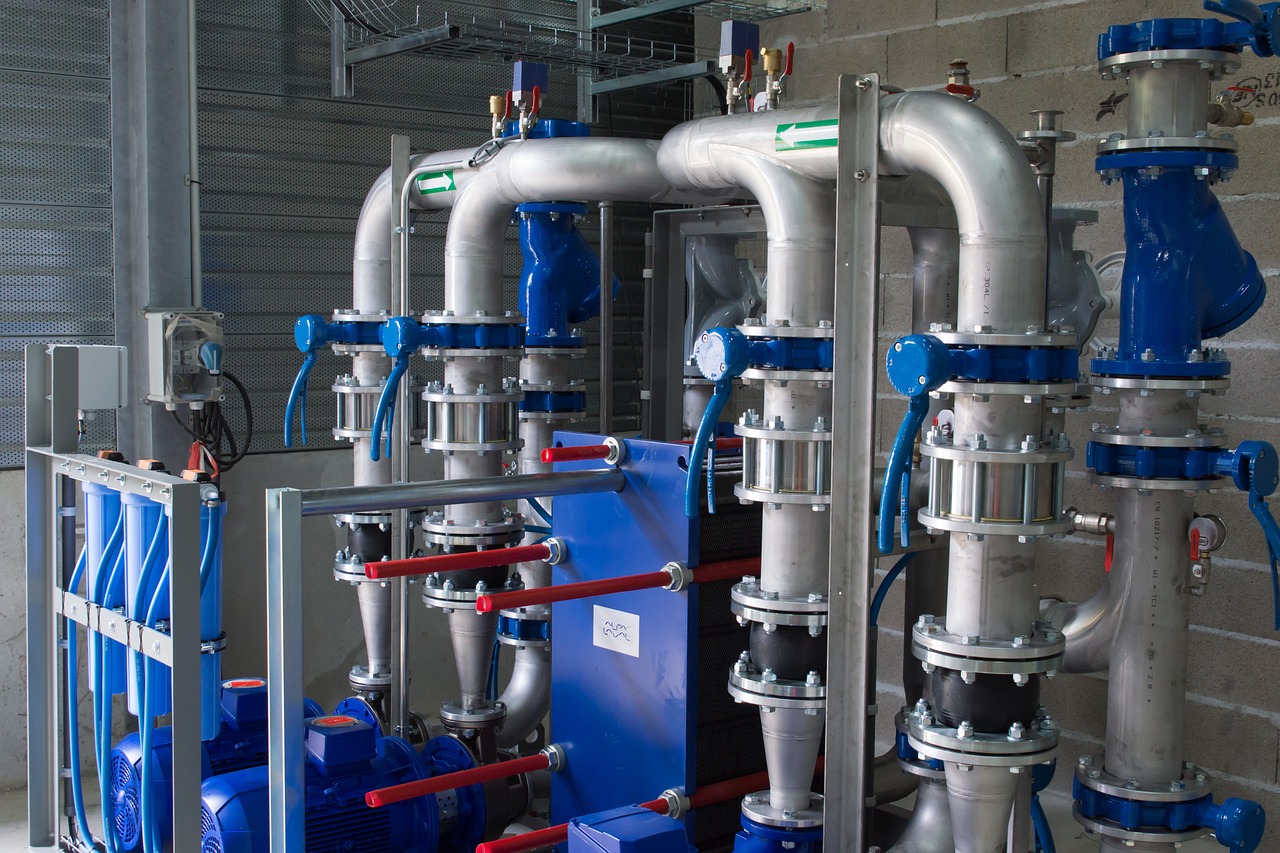
Plate heat exchangers cool the jacket water, lube oil and other circuits on almost every modern ship. They are compact and efficient, but their plates and gaskets need attention. Gaskets harden and leak with age, and plates can crack, corrode or foul. Ordering the wrong plate or gasket is a common and expensive mistake, because parts that look identical can differ in pattern, material or thickness.
The details you need before you order
- Maker and model, for example Alfa Laval M10, M15 or M20, APV, SWEP or GEA.
- Serial number from the frame nameplate. The maker uses it to identify the exact plate pack.
- Number of plates in the pack, and how many you need to replace.
- Plate material: titanium is standard on the sea water side, stainless steel on fresh water and oil coolers.
- Gasket material and type: NBR for oil and water, EPDM for higher temperatures, and whether the gaskets are glued or clip-on.
- Plate position: start and end plates often have different gaskets from the plates in the middle of the pack.
A photo of the nameplate and one plate, front and back, usually answers most of these questions.
Plates: used, reconditioned or new
Used plates from the same model are a cost-effective way to replace a few damaged plates, especially when the model is no longer made. Each plate should be cleaned and checked for cracks and pitting.
Reconditioned plate packs are cleaned, crack-tested and fitted with new gaskets, so they can go straight into the frame.
New plates, OEM or quality equivalents, suit sea water coolers and critical services where you want the longest life.
Gaskets: always fit new
Gaskets are a wear part. Even when you reuse plates, fit new gaskets, OEM or quality equivalents, in the right material. Clip-on gaskets make on-board regasketing much quicker than glued types.
Tips for a trouble-free refit
- Record the tightening dimension of the plate pack before you open it, and close it to the maker’s value.
- Keep the plates in order as you remove them. A plate in the wrong place or the wrong way round mixes the fluids.
- Clean plates with the right chemicals for the deposit, and never use a wire brush on titanium.
How AMAF Marine can help
AMAF Marine supplies plate heat exchangers and spares, including Alfa Laval M6, M10, M15 and M20 models, SWEP and APV units, plates and gaskets. We offer used and reconditioned original maker equipment, as well as new plates and gaskets (OEM and quality equivalents). Everything ships from our warehouse to any port.
Send us your nameplate photo and plate count and we will quote within 48 hours.
